Topics
Pyjamaspapper: 5 Creative Ways to Use Pajama Patterns at Home

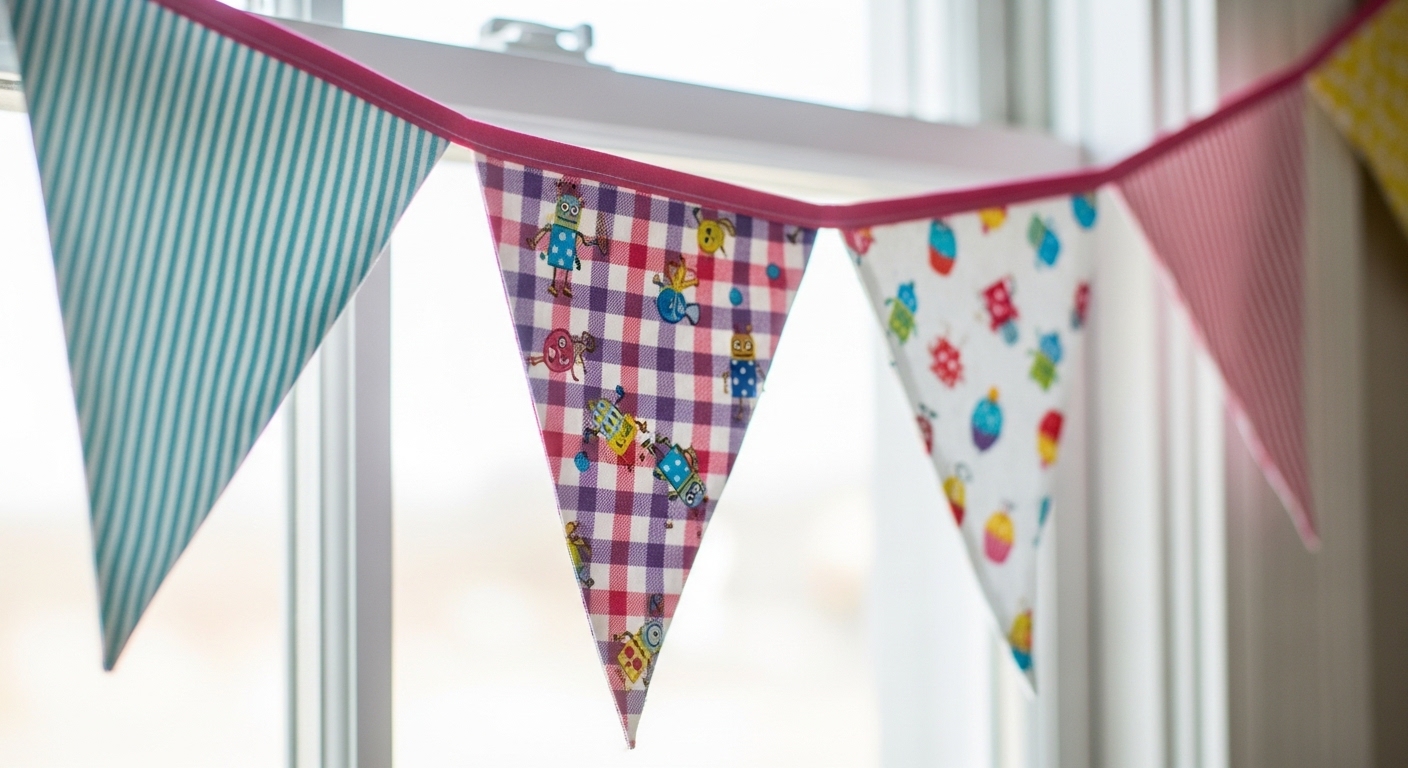
It began, as many creative ideas do, with something overlooked. A stack of soft, worn pajama fabrics sat folded in the corner of a small studio apartment—patterns of stripes, florals, and playful prints collected over the years. What once symbolized comfort and routine suddenly became something more. That quiet moment of rediscovery is where Pyjamaspapper emerges—not just as a concept, but as a mindset that transforms the familiar into something unexpectedly valuable.
For entrepreneurs, designers, and creative thinkers, the idea behind Pyjamaspapper resonates deeply. It’s about reimagining everyday materials and turning them into functional, aesthetic, and even profitable creations. In a world driven by sustainability, personalization, and design thinking, the humble pajama pattern offers far more potential than meets the eye.
This article explores how Pyjamaspapper bridges creativity and practicality, offering five innovative ways to use pajama patterns at home—while uncovering broader insights into design, reuse, and modern lifestyle trends.
Understanding Pyjamaspapper: A Creative Philosophy
Before diving into applications, it’s important to understand what Pyjamaspapper represents. At its core, Pyjamaspapper is the art of repurposing pajama fabrics and patterns into new, meaningful forms. It blends sustainability with creativity, encouraging individuals to rethink how materials are used in everyday environments.
In many ways, this concept aligns with the broader shift toward circular design—where products are not discarded but reimagined. For founders and innovators, Pyjamaspapper is less about fabric and more about mindset. It’s a reminder that innovation often lies in reinterpreting what already exists.
The Rise of Pattern-Centric Living
Modern interiors are no longer defined solely by minimalism. Instead, there’s a growing appreciation for texture, color, and storytelling. Pajama patterns—often playful, nostalgic, and expressive—fit perfectly into this evolution.
From Scandinavian-inspired homes to eclectic urban apartments, pattern layering has become a defining trend. Pyjamaspapper taps into this movement by introducing a deeply personal element: fabrics that carry memories, comfort, and identity.
1. Reinventing Home Décor with Pajama Textiles
One of the most immediate applications of Pyjamaspapper is in home décor. Pajama fabrics, with their softness and unique prints, can be transformed into cushions, throws, or even wall hangings.
Imagine a living room where each cushion tells a story—a striped pattern from childhood winters, a floral print from summer evenings. These elements create a space that feels curated rather than decorated.
Design-wise, pajama textiles offer versatility. Cotton blends work well for cushions, while silk or satin pieces can add a touch of luxury. The key lies in balancing patterns with neutral tones to avoid visual clutter.
For entrepreneurs in interior design, this approach opens doors to personalized décor services. Clients increasingly seek spaces that reflect their individuality, and Pyjamaspapper provides a unique avenue to achieve that.
2. Crafting Functional Storage Solutions
Storage is often treated as purely functional, but Pyjamaspapper challenges that notion. By using pajama fabrics to create storage bins, organizers, or drawer liners, functionality meets aesthetics.
Fabric-covered storage boxes, for instance, can transform shelves into visually appealing displays. Soft textures also make them ideal for delicate items, blending practicality with care.
There’s also a psychological aspect at play. When storage solutions are visually pleasing, people are more likely to maintain organization. This subtle shift can improve productivity—an insight particularly relevant for founders and remote workers.
3. Elevating Everyday Fashion Accessories
Beyond interiors, Pyjamaspapper extends into wearable creativity. Pajama patterns can be repurposed into accessories such as scarves, headbands, or tote bags.
What makes this approach compelling is its authenticity. Unlike mass-produced accessories, these pieces carry a narrative. They reflect personal history while aligning with sustainable fashion principles.
For startups exploring the fashion space, this represents a niche opportunity. Consumers are increasingly drawn to products that combine sustainability with storytelling. Pyjamaspapper-inspired accessories meet both criteria, offering differentiation in a crowded market.
4. Designing Personalized Workspace Elements
As remote work becomes the norm, the workspace has evolved into a deeply personal environment. Pyjamaspapper offers creative ways to enhance this space.
Desk mats, chair covers, or even laptop sleeves made from pajama fabrics can introduce warmth and personality into otherwise sterile setups. These elements not only improve aesthetics but also influence mood and productivity.
There’s a growing body of research suggesting that personalized environments boost creativity and focus. By incorporating familiar patterns, individuals create a sense of comfort that enhances cognitive performance.
For entrepreneurs, this insight underscores the importance of design in productivity tools. Pyjamaspapper-inspired workspace products could redefine how we think about work environments.
5. Creating Thoughtful, Sustainable Gifts
Gift-giving often struggles with a lack of originality. Pyjamaspapper offers a refreshing alternative by enabling the creation of deeply personal, sustainable gifts.
Handcrafted items—whether it’s a fabric journal cover, a patchwork blanket, or a custom pouch—carry emotional value that far exceeds their material worth. They represent time, effort, and intention.
From a business perspective, this aligns with the growing demand for experiential and meaningful products. Consumers are shifting away from generic items toward those that tell a story. Pyjamaspapper embodies this shift, making it a powerful concept for boutique brands and creative entrepreneurs.
Where Pyjamaspapper Adds the Most Value
To better understand its practical applications, the table below outlines where Pyjamaspapper delivers the greatest impact:
| Application Area | Primary Benefit | Ideal Use Case | Value Proposition |
|---|---|---|---|
| Home Décor | Personalization & aesthetics | Cushions, throws, wall art | Unique, story-driven interiors |
| Storage Solutions | Functional beauty | Fabric bins, drawer liners | Organized yet visually appealing spaces |
| Fashion Accessories | Sustainability & individuality | Scarves, bags, headbands | Ethical, narrative-driven fashion |
| Workspace Design | Productivity & comfort | Desk mats, covers, organizers | Enhanced focus and creative environment |
| Gifting | Emotional connection | Handmade items, custom creations | Memorable and meaningful experiences |
The Sustainability Angle: Beyond Aesthetic Appeal
While creativity is central to Pyjamaspapper, sustainability is equally important. The fashion industry is one of the largest contributors to global waste, and repurposing fabrics offers a tangible way to reduce environmental impact.
By extending the lifecycle of materials, Pyjamaspapper supports a more responsible consumption model. It encourages individuals to see value in what they already own, reducing the need for constant purchasing.
For businesses, this presents an opportunity to align with eco-conscious consumers. Sustainability is no longer a niche concern—it’s a core expectation. Concepts like Pyjamaspapper provide a practical framework for meeting this demand.
From Concept to Opportunity: A Business Perspective
What makes Pyjamaspapper particularly compelling is its scalability. While it begins as a personal creative exercise, it can easily evolve into a business model.
Small brands can build around customized home décor, while larger companies might explore sustainable product lines inspired by repurposed fabrics. Even digital platforms could emerge, connecting creators with consumers seeking unique, handcrafted items.
The key lies in storytelling. Pyjamaspapper isn’t just about products—it’s about the narrative behind them. In today’s market, storytelling is often the differentiator between success and obscurity.
Challenges and Considerations
Like any creative concept, Pyjamaspapper comes with its challenges. Not all fabrics are durable enough for repurposing, and maintaining quality requires careful selection and craftsmanship.
There’s also the question of scalability. Handmade items, while unique, can be time-intensive to produce. Balancing authenticity with efficiency is a challenge that entrepreneurs must navigate.
However, these challenges are not limitations—they are opportunities for innovation. From developing new fabric treatments to leveraging technology for customization, the possibilities are vast.
The Future of Everyday Creativity
Pyjamaspapper reflects a broader cultural shift toward mindful living. It encourages individuals to slow down, engage with their environment, and find creativity in the ordinary.
For tech readers and founders, this concept offers a valuable lesson: innovation doesn’t always require new materials or technologies. Sometimes, it’s about seeing existing resources through a different lens.
As homes continue to evolve into multifunctional spaces, the demand for personalized, meaningful design will only grow. Pyjamaspapper stands at the intersection of this trend, offering a blueprint for the future of everyday creativity.
Conclusion
Pyjamaspapper is more than a creative exercise—it’s a philosophy that redefines how we interact with the materials around us. By transforming pajama patterns into functional and aesthetic elements, it bridges comfort, sustainability, and innovation.
For entrepreneurs, it represents an untapped opportunity to create products that resonate on a personal level. For individuals, it offers a way to infuse everyday life with meaning and creativity.
In a world increasingly driven by mass production, Pyjamaspapper reminds us of the value of the personal, the handmade, and the thoughtfully designed. And perhaps, in that quiet rediscovery of something as simple as a pajama pattern, lies the future of modern living.

-

 Home+Design5 months ago
Genevieve Gorder, Design Star
-

 Luxury Auto5 months ago
Paul Teutul Senior: Ultimate Collector
-

 The Life5 months ago
Who is Mary Joan Schutz? The Story of Gene Wilder’s Second Wife
-

 The Life5 months ago
Judy Schelin: The Inspiring Journey of Her Life and Legacy
-

 People+Places5 months ago
The Rise And Rise Of Wendy Williams
-

 Dining+Entertainment5 months ago
The $200,000 Cigar
-

 The Life5 months ago
The Life: Della Crews
-

 The Life5 months ago
Daisy Fuentes’ Just Getting Started