Topics
Pyntekvister: A Comprehensive Guide to This Unique Craft

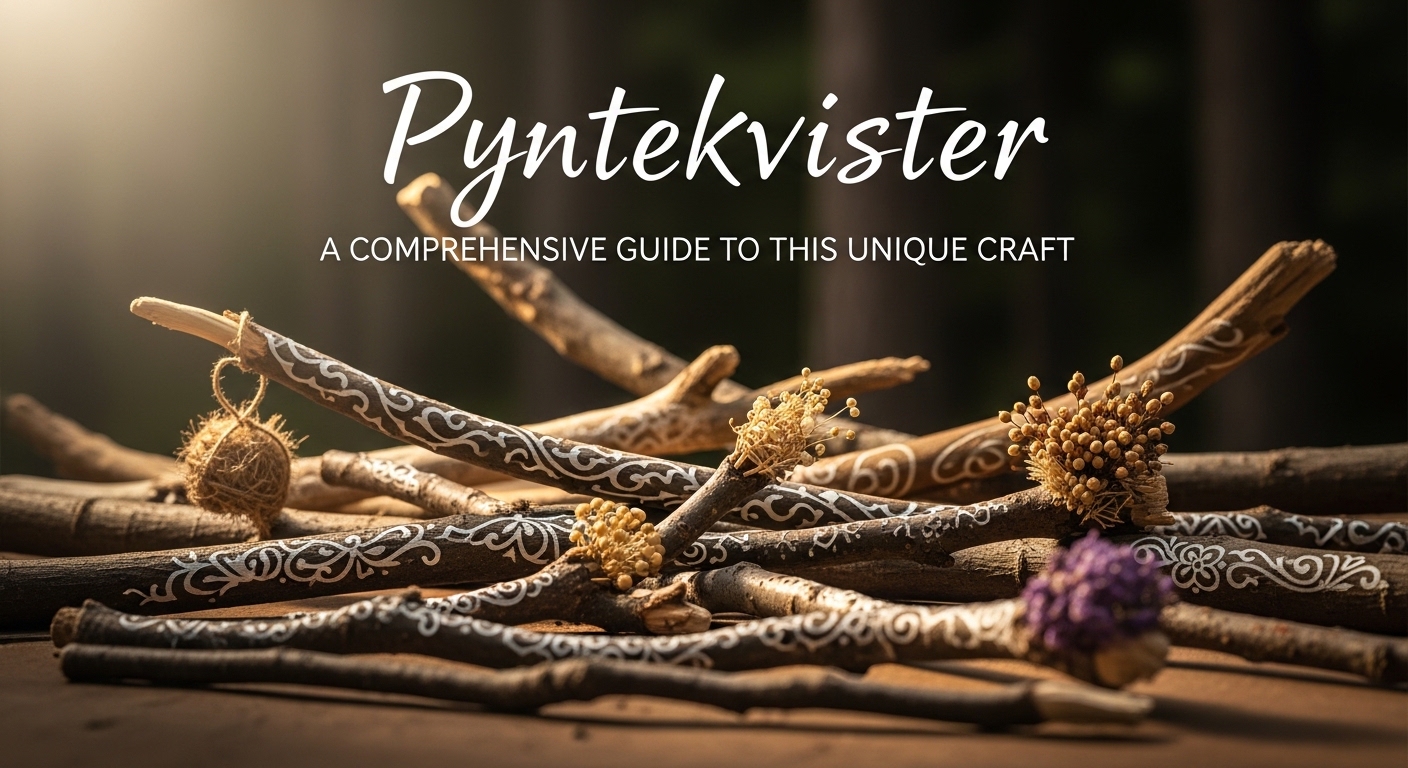
Pyntekvister is more than just a craft; it’s a vibrant expression of creativity that has captivated enthusiasts for generations. If you’ve ever admired intricately woven designs or colorful decorations, you may have stumbled upon this unique art form without even realizing it. Whether you’re an experienced crafter looking to expand your repertoire or someone curious about starting a new hobby, Pyntekvister offers endless possibilities.
This guide will take you through the fascinating world of Pyntekvister—its origins, techniques, and applications in home decor. You’ll discover how to create stunning pieces that reflect your personal style and bring warmth to any space. Ready to explore this artistic journey? Let’s dive into the captivating realm of Pyntekvister!
What is Pyntekvister?
Pyntekvister is a traditional craft that involves weaving colorful threads into intricate patterns. Originating from Scandinavian cultures, this art form has evolved over time, blending history with personal expression.
At its core, Pyntekvister emphasizes creativity and individuality. Crafters use various techniques to create stunning designs, often incorporating local themes or personal stories within their work.
The term itself comes from the Norwegian language, translating loosely to “woven pins,” which perfectly captures the essence of the craft—beautifully woven pieces brought together by simple materials.
Today, Pyntekvister appeals to both novice crafters and seasoned artisans alike. It invites exploration and experimentation while remaining deeply rooted in tradition. Whether you’re crafting a wall hanging or an ornament for your holiday tree, each piece tells a story through color and design.
The History of Pyntekvister
Pyntekvister has deep roots in Scandinavian culture, especially in Norway and Sweden. This craft dates back centuries, evolving from simple decorative traditions to the intricate designs we see today.
Historically, people used natural materials like birch bark and twigs. These elements were abundant in rural settings. Early artisans crafted Pyntekvister as a way to adorn their homes with seasonal charm.
As time passed, patterns became more elaborate. Each design told a story or represented local folklore. Communities often gathered for workshops, passing down techniques through generations.
The revival of interest in handmade crafts during the late 20th century brought Pyntekvister back into the spotlight. Modern artists now blend traditional methods with contemporary flair, ensuring this unique craft continues to thrive today.
Materials and Tools Needed for Pyntekvister
To dive into the world of Pyntekvister, you’ll need a few essential materials. Start with colorful paper or cardstock. These will be your canvas for crafting intricate designs.
Scissors are vital, ensuring clean cuts and sharp edges. A craft knife can also come in handy for more detailed work, so keep one nearby.
Don’t forget glue! A strong adhesive is key to holding your pieces together securely. You might prefer a glue stick for quick application or liquid glue for those tricky spots.
Additionally, some vibrant pens or markers can add personal touches to your creations. They’re perfect for doodling patterns or writing messages on your art.
Having a cutting mat will protect your surfaces while providing a stable workspace. With these tools at hand, you’re ready to explore the fascinating craft of Pyntekvister!
Step-by-Step Guide to Creating Your Own Pyntekvister
Creating your own Pyntekvister is an enjoyable journey into the world of craft. Start by gathering your materials: colorful threads, a sturdy base like cardboard or wood, and scissors.
Begin by sketching a design on paper. This will guide your thread placement as you work. Once you have a plan, cut the base into your desired shape—think circles, squares, or even something abstract.
Next, secure one end of the thread to the base with glue. Gradually wrap it around in various directions according to your design. Play with colors and patterns; let creativity flow freely!
As you layer threads, remember to keep tension consistent for an even look. When satisfied with the pattern, snip off any excess thread and secure loose ends with more glue.
Let it dry completely before displaying or using in home decor projects that celebrate this unique art form.
Unique Ways to Use Pyntekvister in Home Decor
Pyntekvister offers a delightful way to enhance your home decor. These intricately designed pieces can transform any space into something special.
Consider using Pyntekvister as eye-catching wall art. A collection of different sizes and colors arranged in an artistic pattern creates a stunning focal point.
You can also incorporate them into table centerpieces. Place a few delicate Pyntekvister designs among candles or flowers for an enchanting touch during gatherings.
For those who love the outdoors, try hanging Pyntekvister in your garden or patio area. The colorful patterns catch sunlight beautifully, adding charm to natural settings.
Consider incorporating smaller versions into gift wrapping. They make thoughtful embellishments that elevate even simple presents into memorable gifts that stand out on any occasion.
Tips and Tricks for Perfecting Your Pyntekvister Skills
Practice is key. The more you create, the better your Pyntekvister skills will become. Don’t be afraid to experiment with shapes and colors.
Start with simpler designs if you’re a beginner. Gradually challenge yourself as your confidence grows.
Pay attention to details; small adjustments can make a big difference in the final piece. Use high-quality materials for best results.
Lighting matters too! Good lighting helps you see what you’re working on clearly, reducing mistakes and allowing for precision.
Consider joining online communities or workshops focused on Pyntekvister. Engaging with others provides fresh ideas and techniques that can enhance your craft.
Keep all your tools organized and within reach to streamline the creative process. This ensures you spend less time searching and more time crafting amazing pieces!
Where to Find Inspiration for New Pyntekvister Projects
Finding inspiration for your next Pyntekvister project can be an exciting journey. Start by exploring social media platforms like Instagram and Pinterest. These are treasure troves filled with vibrant visuals that showcase a variety of styles.
Visit craft fairs or local artisan markets. Seeing creations in person often sparks new ideas you might not have considered before. Engaging with other crafters allows you to exchange tips and techniques, broadening your creative horizons.
Books and magazines focused on crafts are also valuable resources. They often contain tutorials as well as stunning photography that captures the essence of this unique art form.
Nature is another great muse—consider using natural shapes and textures as a basis for your designs. A walk through a park or garden could provide unexpected color combinations or patterns just waiting to be transformed into Pyntekvister art!
Conclusion
Pyntekvister is more than just a craft; it’s an expression of creativity and culture. As you explore this unique form, you’ll discover the joy of working with your hands and the satisfaction that comes from creating something beautiful. Whether you’re diving into its rich history or picking up tools for the first time, each step brings new insights.
With practice, you’ll become skilled in crafting stunning pieces that can enhance your home decor or serve as thoughtful gifts. The possibilities are endless when it comes to using Pyntekvister creatively around your living space. From wall hangings to table centerpieces, find ways to incorporate these handcrafted items into various settings.
As you embark on this journey, remember that inspiration is all around you—nature, art galleries, and even social media platforms can spark fresh ideas. Embrace experimentation and let your personal style shine through each project.
Happy crafting!

-

 Home+Design6 months ago
Genevieve Gorder, Design Star
-

 Luxury Auto6 months ago
Paul Teutul Senior: Ultimate Collector
-

 Dining+Entertainment6 months ago
The $200,000 Cigar
-

 The Life5 months ago
Who is Mary Joan Schutz? The Story of Gene Wilder’s Second Wife
-

 The Life6 months ago
Judy Schelin: The Inspiring Journey of Her Life and Legacy
-

 The Life6 months ago
The Life: Della Crews
-

 People+Places6 months ago
The Rise And Rise Of Wendy Williams
-

 The Life6 months ago
Daisy Fuentes’ Just Getting Started